

Pressure washers
In short: Pressure washers remove stubborn dirt that regular washing can’t: oil on concrete platforms, dried mud on agricultural and construction machinery, and deposits on facades and industrial floors. The category includes 13 models.
Pressure washers remove stubborn dirt that regular washing can’t: oil on concrete platforms, dried mud on agricultural and construction machinery, and deposits on facades and industrial floors.
The range covers cold and hot water models, electric, gasoline, and diesel, stationary and mobile: IPC — PW-C and PW-H, BENZ and DIESEL-C series — DIBO — CPU and JMB — and MP-HT MAXWIND IDROJET. Pressure, flow rate, and power source are chosen based on the application.
The category includes 13 models. Official information about the IPC range: ipcworldwide.com. Last updated: November 2, 2026.
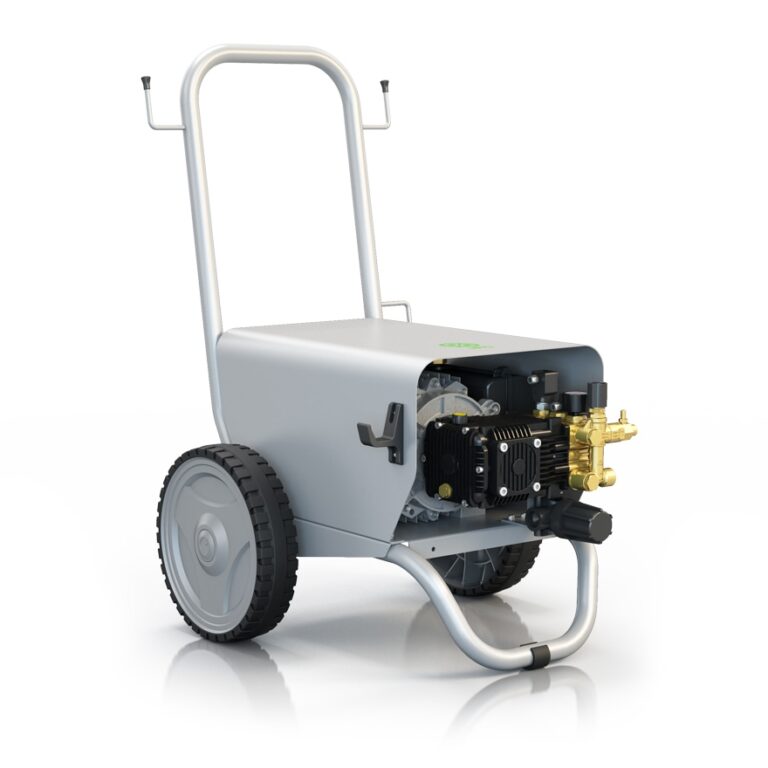
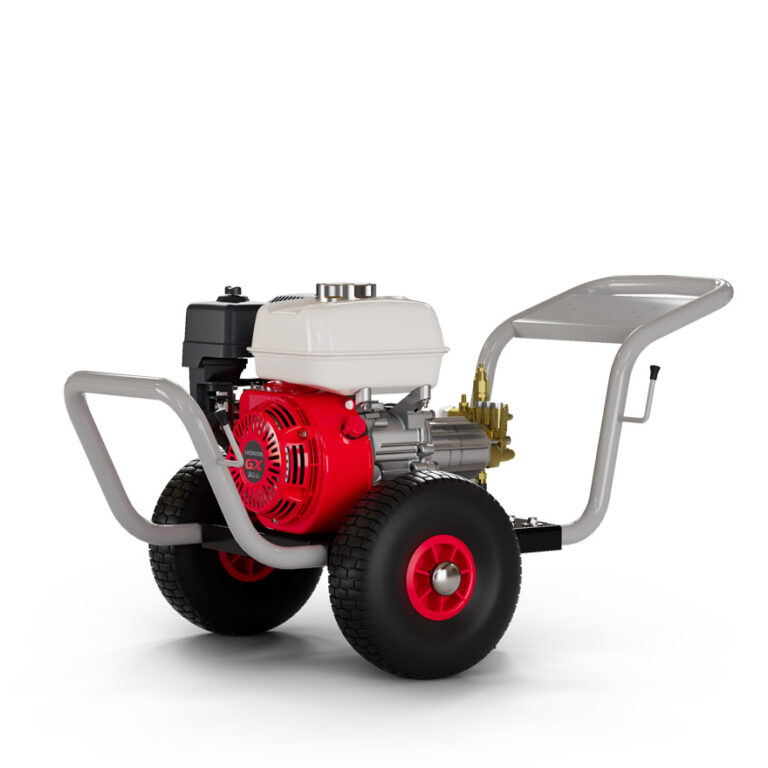
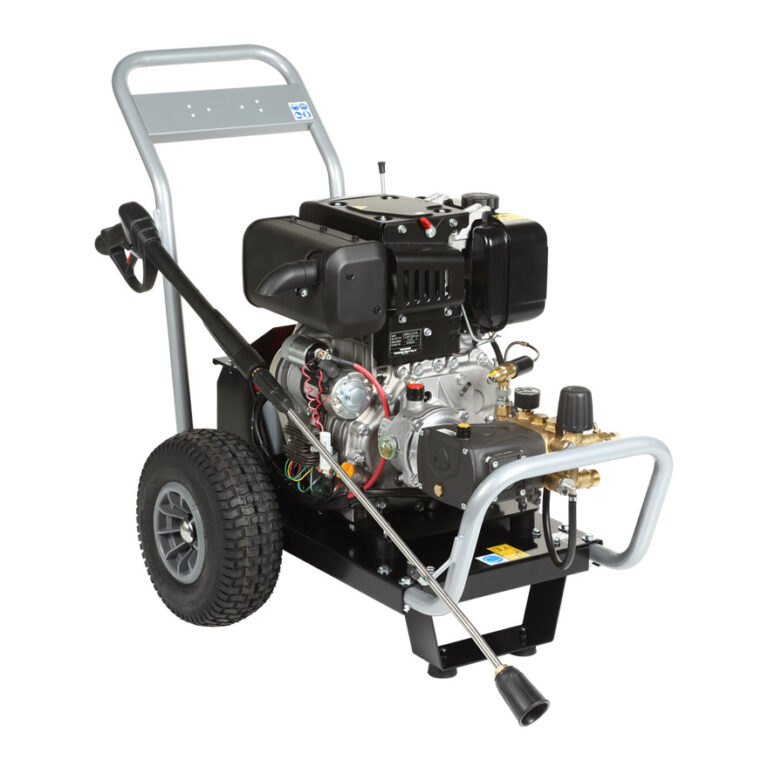
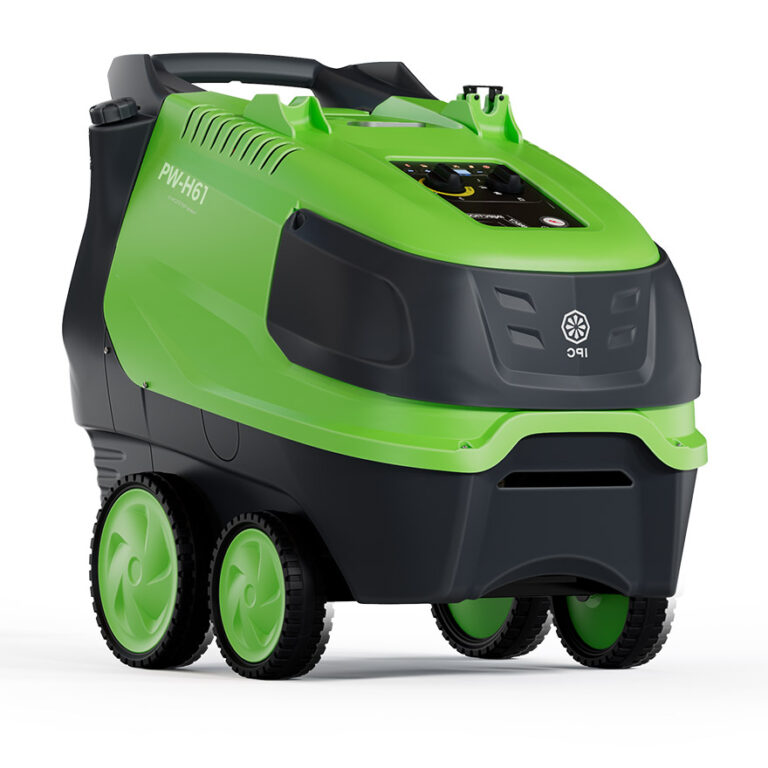
In short: Pressure washers remove stubborn dirt that regular washing can't: oil on concrete platforms, dried mud on agricultural and construction machinery, and deposits on facades and industrial floors. The category includes 13 models.
A pressure washer is a machine that drives water through a pump and a lance at high pressure, so that the jet mechanically loosens dirt from the surface. In the range below, working pressure goes from 20–30 bar up to 275 bar, and flow rate from 500 L/h up to 6000 L/h.
When should you choose a hot water pressure washer instead of a cold water one?
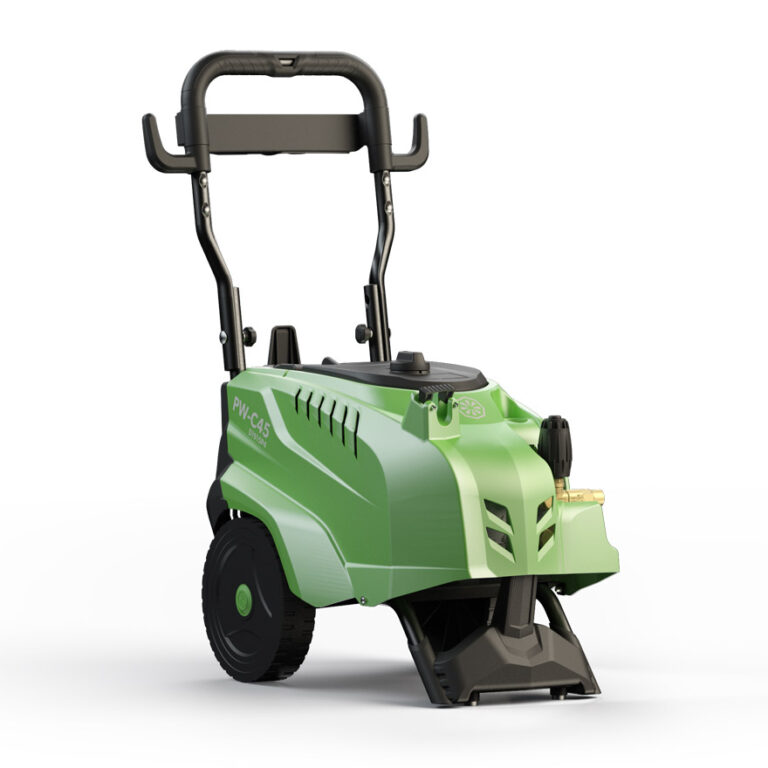
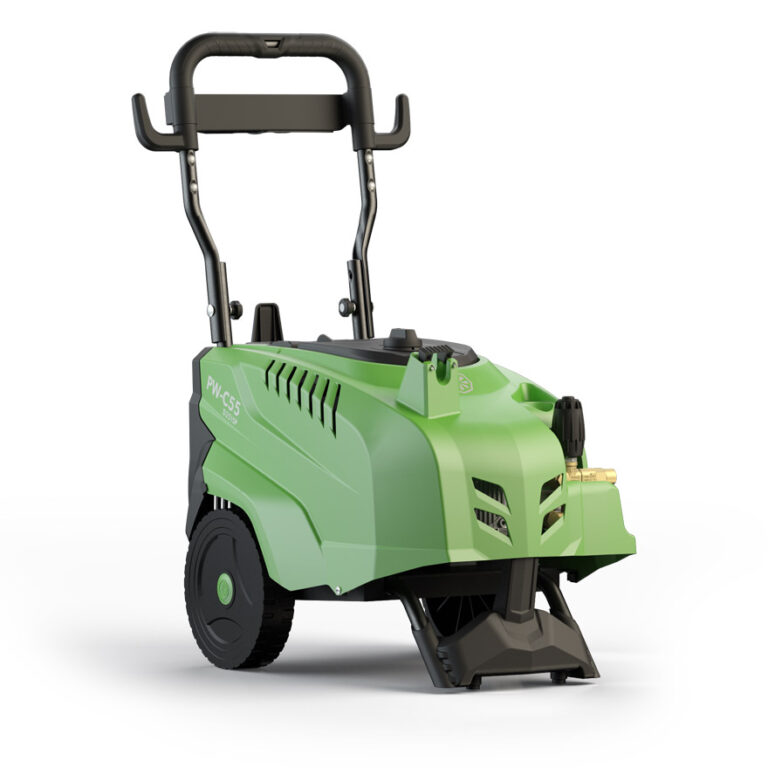
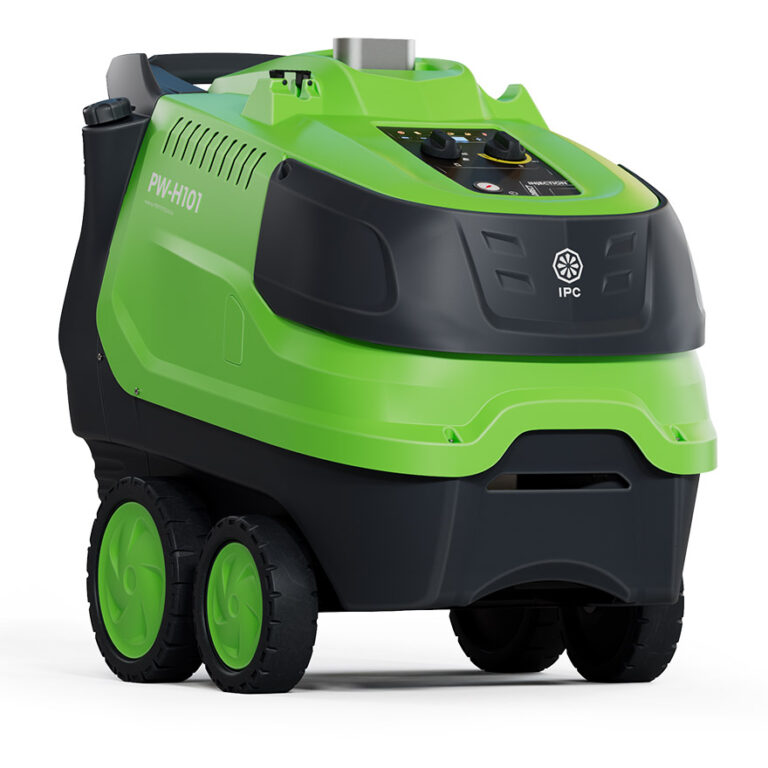
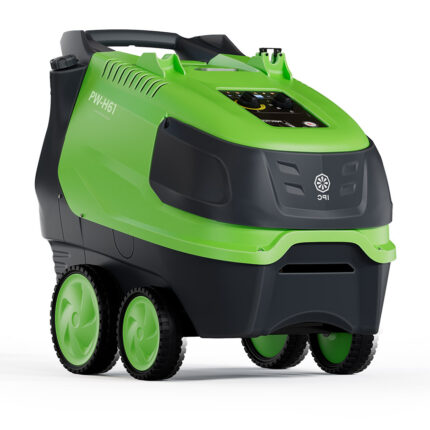
Choose hot water when the dirt contains grease or oil: hot water dissolves them, while cold water only pushes them around. IPC PW-H models heat the water with a diesel-fired coil boiler and can also run cold — PW-H31 up to 110 °C, PW-H61 PREMIUM and PW-H101 PREMIUM up to 140 °C. For dust, mud and plant debris, cold water is enough, and the PW-C45 DP, PW-C55 PREMIUM and PW-C85 models need no fuel for heating.
Which pressure washer do you use where there is no electricity?
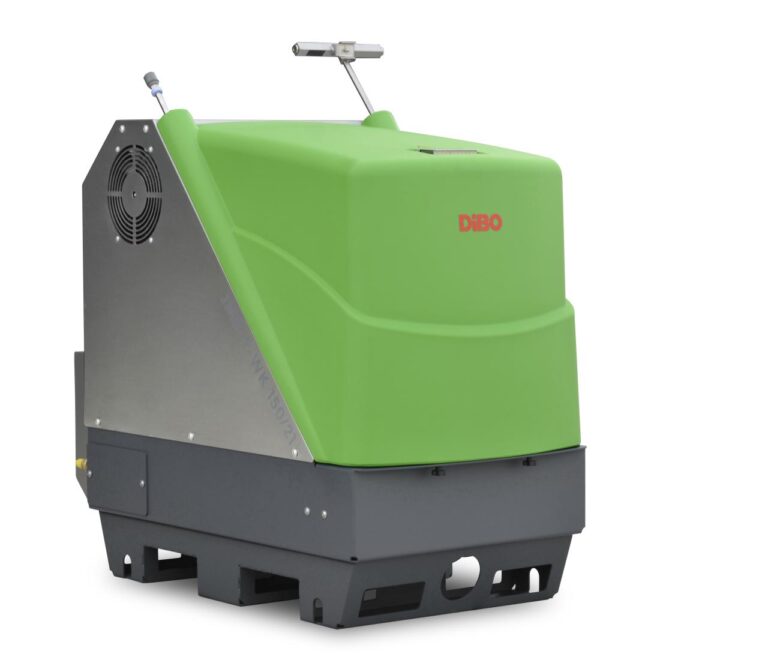
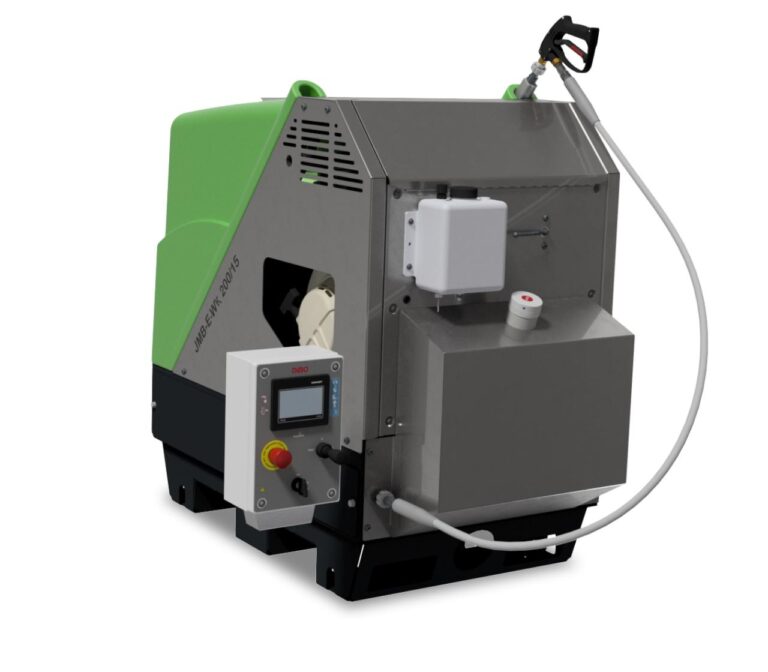
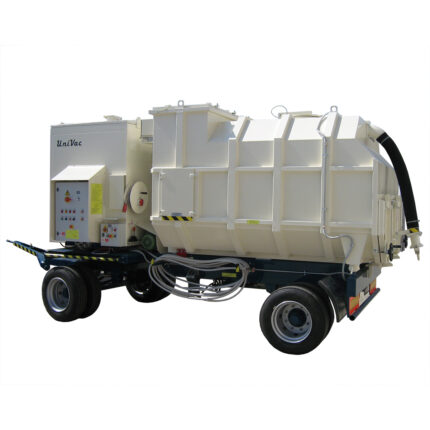
Where there is no power connection, you use a model with its own engine. IPC BENZ 200 bar has a HONDA GX 390 engine and a flow rate of 1260 L/h, while IPC DIESEL-C 200 bar has a YANMAR engine and 1000 L/h; both are self-priming, so they can draw water from a tank or a lake. For construction sites and roads, the diesel DIBO JMB-S and JMB-E work with hot or cold water, and the JMB-E can be mounted on a trailer or a utility vehicle.
How many hours a day can a pressure washer run?
It depends on the model class. IPC PW-C45 DP is a heavy-duty base unit for up to 5 hours a day, PW-H61 PREMIUM is designed for 8 hours a day, and PW-C55 PREMIUM and PW-H101 PREMIUM for more than 8 hours a day. DIBO JMB-S is built for up to 12 hours of daily operation. That is why the work schedule matters as much as pressure when choosing.
How do you choose and order a pressure washer?
The choice starts from the type of dirt, the available energy source and how many hours a day the machine will run. Add the model to the quote list on its product page and send the quote request, or call the Komarom team, which analyses the application and proposes the right configuration. The price is set through a personalised quote, and you can buy directly or through leasing with payment in instalments.
What are the benefits of the pressure washers in this category?
All IPC models in the category have ceramic pistons, and the electric series have a 4-pole electric motor. The hot water models have their own boiler: the IPC PW-H101 PREMIUM has a thermal output of 100 kW and a 25 L fuel tank. For places without electricity there are self-contained versions, such as the IPC BENZ – 200 BAR, with a HONDA GX 390 engine, or the DIBO JMB-E, diesel, with 12 hours/day of operation.
What are the limits of a pressure washer?
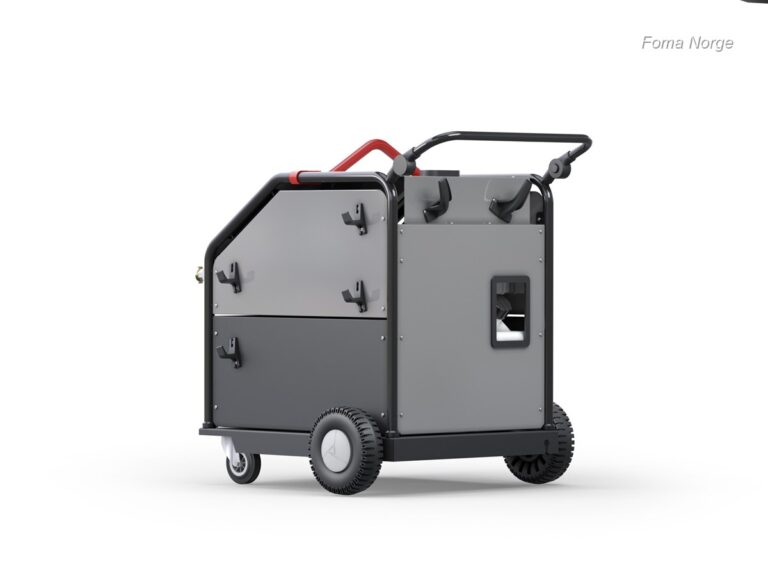
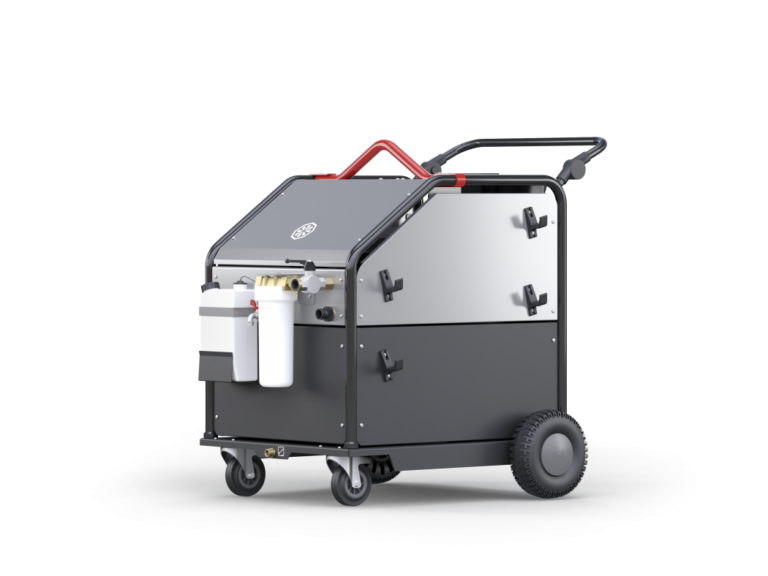
The limits are those on the technical sheet: pressure, flow, temperature and power supply. The IPC PW-C45 DP 1708P4 M runs on 220 V, with 30-170 bar and 500 l/h, while the PW-C55, PW-C85 and the PW-H series require a 380 V supply. The IPC GREEN JET 7510 has 75 bar and 600 l/h, with water at 100 degrees. For grease and oil, the hot water models are chosen.
What specific examples are there in this category?
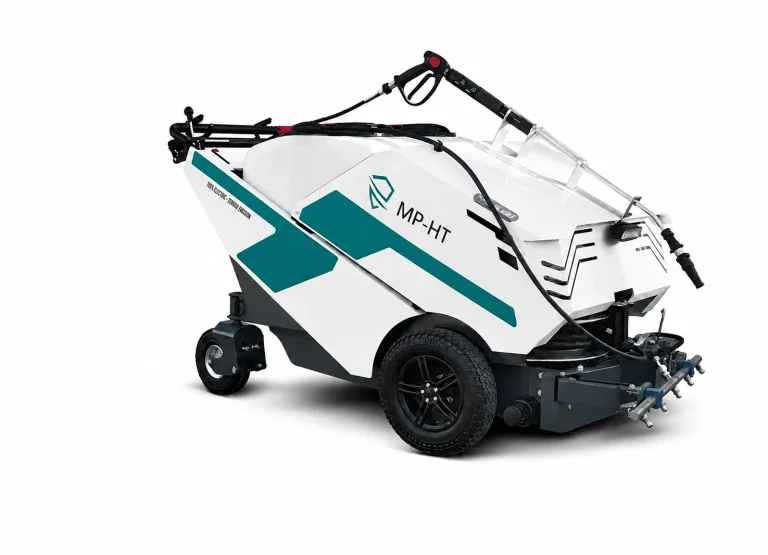
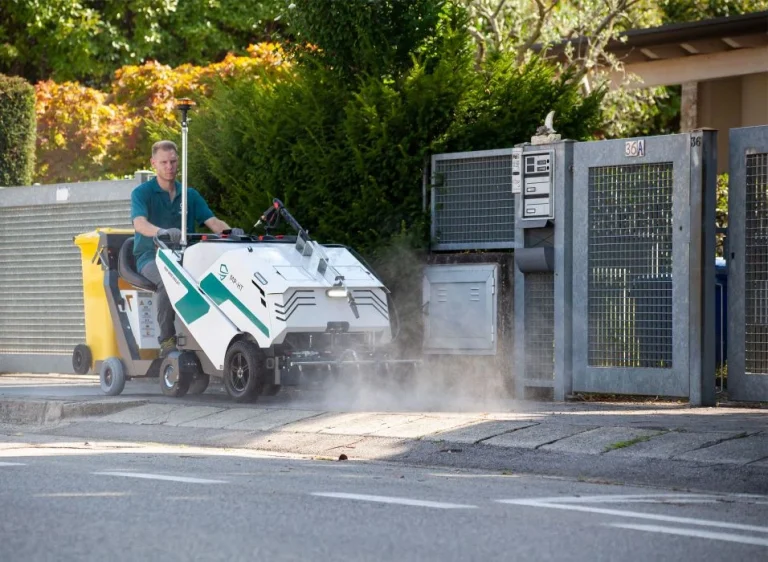
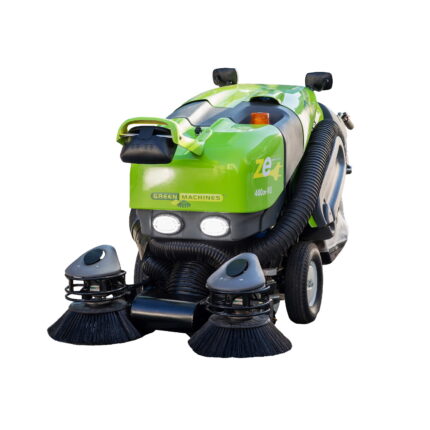
For very heavy environments: the IPC PW-C85, with 20-200 bar and 1800 l/h. For hot-water cleaning: the IPC PW-H61 PREMIUM, with 30-140 degrees and 1000 l/h. For street cleaning: the MP-HT MAXWIND IDROJET, with 7200 sqm per hour over a 1200 mm width and 5 hours of run time. For high flow: the DIBO CPU M, with 130-275 bar and 1260-6000 L per hour.
What is the difference between the models in the Pressure washers category?
The models in the Pressure washers category differ in water pressure (cleaners), max water flow (cleaners) and power / voltage. The list below repeats, for each of the 13 models shown, the technical data from the product page, so you can compare the equipment before requesting a quote for the model that suits your application.
| Model | Water pressure (cleaners) | Power / Voltage | Max Water Flow (Cleaners) |
|---|---|---|---|
| IPC PW-C45 DP 1708P4 M | 30-170 bar | 220 V | 500 l/h |
| IPC PW-C55 PREMIUM | 30-200 bar | 380 V | 1300 l/h |
| IPC PW-C85 | 20-200 bar | 380 V | 1,800 liters/hour |
| IPC BENZ – 200 BAR | 30-200 bar | Gasoline | 1260 liters/hour |
| IPC DIESEL-C – 200 BAR | 30-200 bar | diesel | 1,000 l/h |
| IPC PW-H31 | 30-170 bar | 380 V | 800 gph |
| IPC PW-H61 PREMIUM | 30-200 bar | 380 V | 1,000 l/h |
| IPC PW-H101 PREMIUM | 30-200 bar | 380 V | 1300 l/h |
| IPC GREEN JET 7510 | 75 bar | 220 V | 600 l/h |
| MP-HT MAXWIND IDROJET | 50-100 bar | 24 V | — |
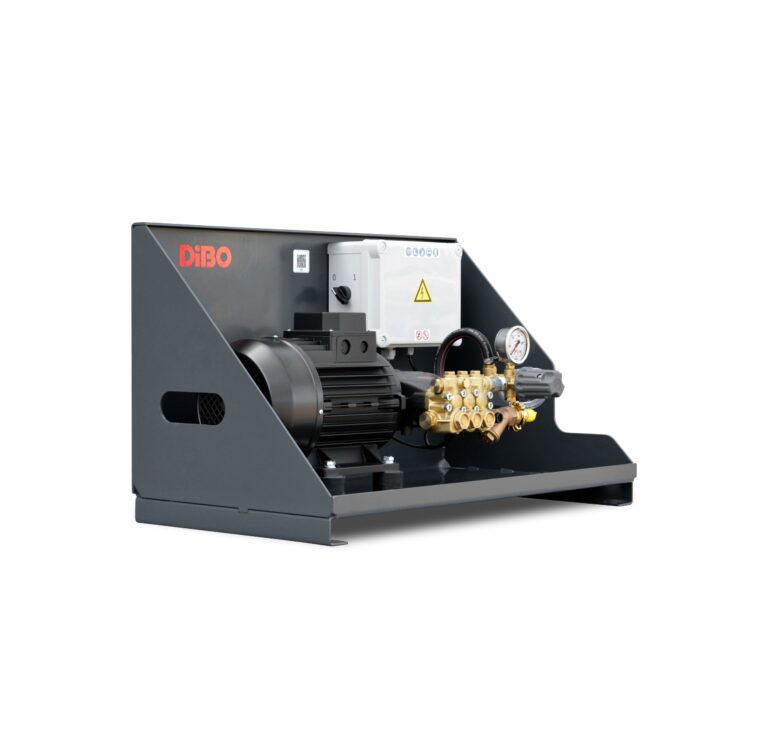
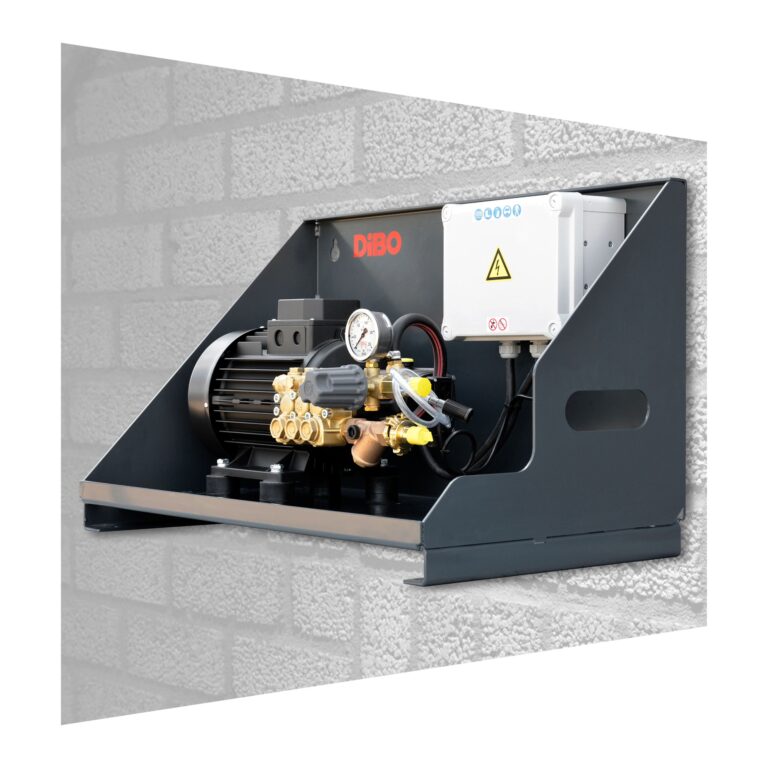
| DIBO CPU M | 130–275 bar | 3 X 400 V | 1,260-6,000 L/hr |
| DIBO JMB-E | 30-200 bar | diesel | 900 l/h |
| DIBO JMB-S | 30-200 bar | diesel | 1,080 liters/hour |
Last updated: November 2, 2026.
Frequently asked questions
What dirt does a pressure washer remove?
Pressure washers remove stubborn dirt that ordinary washing cannot: oil on concrete yards, dried mud on agricultural and construction machinery, and deposits on facades and industrial floors.
Which types of pressure washers are available?
The range covers cold and hot water models, electric, petrol and diesel, fixed and mobile: IPC (PW-C and PW-H series, BENZ and DIESEL-C), DIBO (CPU and JMB) and MP-HT MAXWIND IDROJET. Pressure, flow and power source are chosen according to the application.
Which pressure washer is suitable for public spaces?
For pavements, parks, buildings, monuments and bus stops, the range includes the MP-HT MAXWIND IDROJET, a 100% electric 24 V machine with 5 hours of autonomy. It has a 1200 mm working width, a 210 L tank and works at 50–100 bar, covering up to 7200 m² per hour, with no combustion engine.
Can a pressure washer be used for weed control?
Yes. IPC GREEN JET 7510 controls weeds ecologically with boiling water at 100 °C, at 75 bar and 600 L/h, using a 50 cm attachment. Results are visible within hours, and the vegetation dries out in 2–3 days. It belongs to the IPC hot water range, alongside PW-H31, PW-H61 PREMIUM and PW-H101 PREMIUM.
Can I buy a pressure washer in instalments?
Yes. Komarom offers flexible leasing options for purchasing cleaning equipment, with instalment payments that fit your budget. If you already own an old machine, you can hand it in through Buy Back or Trade In when you buy a new one. After the purchase, the after-sales service provides continuous support and technical assistance.
How many models does the Pressure washers category include?
The category includes 13 models.
Which brands can I find in the Pressure washers category?
The Pressure washers category lists 13 models, from IPC (9), DIBO (3) and MP-HT (1).